Roofing systems are fundamental for safeguarding homes against environmental threats. They provide a barrier against moisture, wind, and debris, which can cause significant damage. Additionally, these systems play an important role in maintaining energy efficiency. Proper insulation and ventilation help regulate indoor temperatures, ultimately affecting energy costs. However, understanding the specific components and materials that contribute to these functions is essential. The exploration of these factors reveals deeper insights into roofing performance and longevity.
Key Takeaways
- Roofing systems act as a barrier against environmental threats, preventing water, wind, and debris from damaging the home.
- Proper insulation and ventilation regulate indoor temperatures, enhancing energy efficiency and comfort.
- Reflective roofing materials minimize heat absorption, leading to lower cooling costs during hot seasons.
- Flashing directs water away from vulnerable areas, reducing the risk of leaks and moisture damage.
- Regular maintenance ensures roofing components function effectively, prolonging lifespan and preventing costly repairs.
The Importance of Roofing Systems in Home Protection
Although many homeowners may not realize it, roofing systems play an essential role in protecting a home from various environmental threats. These systems are designed to deflect water, insulate against temperature fluctuations, and shield against wind and debris. Understanding how roofing systems work is vital, as they serve as the first line of defense against adverse weather conditions. Properly functioning roofing systems prevent moisture ingress, which can lead to mold and structural damage. Additionally, they contribute to energy efficiency by regulating indoor temperatures, reducing heating and cooling costs. Ultimately, a well-maintained roof enhances the longevity of a home, providing security and comfort for its inhabitants. Homeowners should prioritize the integrity of their roofing systems to guarantee peak protection and efficiency.
Key Components of Roofing Systems and Their Functions
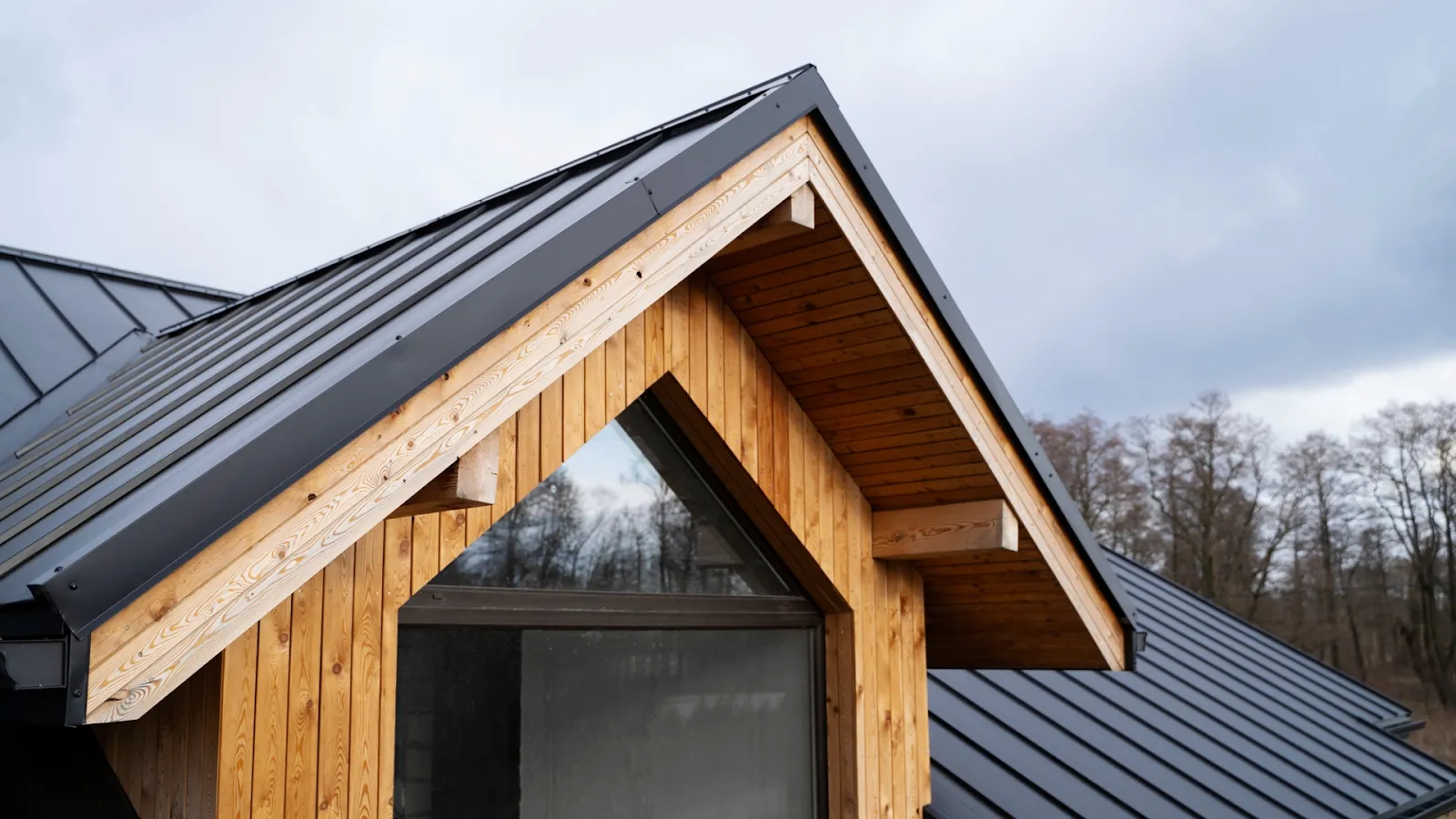
Roofing systems comprise several key components that work together to guarantee the safety and efficiency of a home. The roof deck provides structural support, while underlayment serves as a moisture barrier, protecting against leaks. Shingles or roofing materials, available in various types, shield the home from environmental elements. Flashing is essential for directing water away from vulnerable areas, such as chimneys and vents, thereby preventing water intrusion. Additionally, ventilation systems guarantee proper airflow, reducing heat buildup and moisture accumulation. Guttering systems channel rainwater away from the foundation, safeguarding against erosion and structural damage. Each component plays an important role in maintaining the integrity of the roofing system, exemplifying how roofing systems work to create a secure and efficient living environment.
How Roofing Systems Work to Enhance Energy Efficiency
The efficiency of a home’s energy consumption is greatly influenced by the design and functionality of its roofing system. Effective roofing systems incorporate insulation materials that minimize heat transfer, thereby regulating indoor temperatures. Reflective roofing surfaces, often referred to as cool roofs, can deflect solar radiation, reducing cooling costs during warmer months. Additionally, the ventilation integrated into roofing systems allows for proper air circulation, further enhancing energy efficiency by preventing heat buildup. By utilizing advanced technologies, such as solar panels or green roofs, roofing systems can contribute to energy generation and sustainability. Overall, understanding how roofing systems work to enhance energy efficiency is essential for homeowners seeking to reduce energy costs and promote environmental responsibility.
Common Roofing Materials and Their Impact on Performance
What factors influence the performance of roofing systems? The choice of roofing materials plays a critical role in determining durability, energy efficiency, and overall effectiveness. Common materials include asphalt shingles, metal, tile, and slate, each offering distinct advantages. Asphalt shingles are cost-effective and versatile, while metal roofs provide longevity and reflectivity, enhancing energy efficiency. Tile roofs, known for their aesthetic appeal and durability, are prevalent in warmer climates, whereas slate roofs, though more expensive, offer unmatched longevity and resistance to the elements. Understanding these materials helps homeowners make informed decisions, ensuring their roofing systems work efficiently to protect their homes. Ultimately, the selected roofing material greatly impacts the system’s performance and efficiency.
Maintenance Tips to Ensure Your Roofing System Works Effectively
Maintaining a roofing system is essential for ensuring its longevity and effectiveness in protecting a home. Regular inspections should be conducted at least twice a year, focusing on identifying damaged shingles, leaks, or debris accumulation. Cleaning gutters and downspouts is vital to prevent water backup, which can damage roofing materials. It is advisable to remove any moss or algae growth promptly, as these can deteriorate the roof’s integrity. Additionally, homeowners should check for any signs of wear around flashing and seals, as these areas are prone to leaks. Finally, scheduling professional maintenance can provide a thorough evaluation, ensuring that the roofing system works effectively in safeguarding the home. Understanding how roofing systems work can aid in making informed maintenance decisions.
Frequently Asked Questions
How Do Weather Conditions Affect Roofing System Performance?
Weather conditions substantially impact roofing system performance by influencing material durability, insulation effectiveness, and structural integrity. Extreme temperatures, moisture levels, and wind can lead to accelerated wear, compromising the roof’s ability to protect the home effectively.
What Are the Signs of a Failing Roofing System?
Signs of a failing roofing system include curling or missing shingles, leaks, water stains on ceilings, sagging areas, granule loss in gutters, and increased energy bills. Timely inspections can prevent further damage and costly repairs.
How Often Should I Inspect My Roofing System?
Experts recommend inspecting roofing systems at least twice annually, ideally in spring and fall. Regular inspections guarantee timely identification of issues, safeguarding the home’s integrity and optimizing the overall efficiency of the roofing system.
Can I Install a Roofing System Myself?
Installing a roofing system oneself can be feasible for experienced individuals, yet it requires specific skills, knowledge of materials, and adherence to safety standards. Improper installation may lead to significant long-term issues and increased costs.
What Warranties Are Available for Roofing Systems?
Various warranties for roofing systems include manufacturer warranties, which cover materials, and labor warranties, protecting installation. Homeowners should carefully review terms, durations, and coverage details to guarantee adequate protection for their investment.
Conclusion
To sum up, roofing systems serve as essential barriers against environmental threats, ensuring both safety and energy efficiency for homes. By understanding key components and their functions, homeowners can appreciate the importance of proper materials and maintenance in optimizing performance. Regular inspections and upkeep not only enhance longevity but also contribute to reduced energy costs and improved indoor comfort. Ultimately, a well-functioning roofing system protects the home’s structural integrity and promotes a sustainable living environment.
You May Also Like To Read: